Burak Come, postgraduate student at ITAérea and Global Aviation Digital Director at Jacobs.
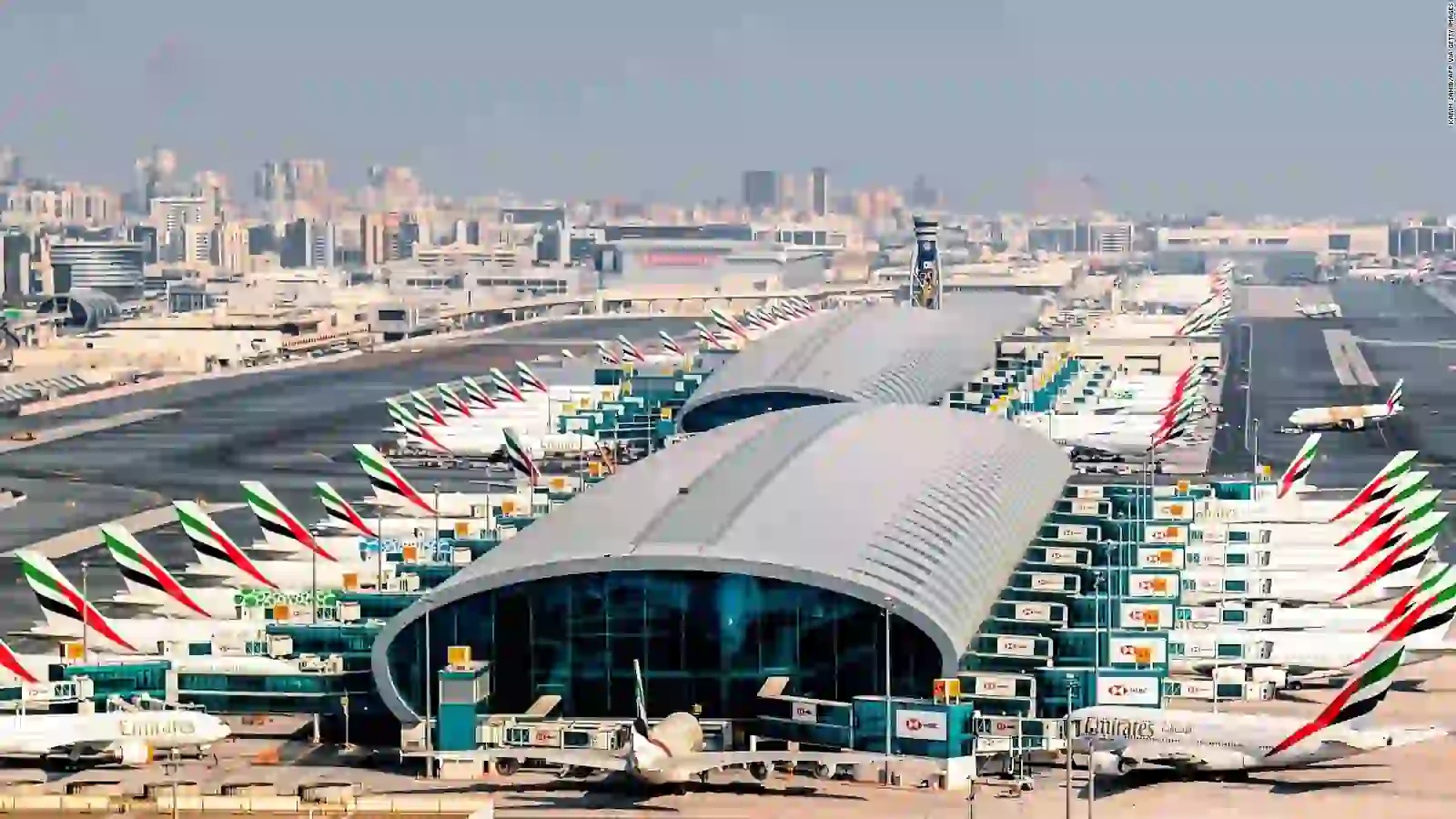
Imagine two airports.
Both have a Resource Management System allocating gates and stands in real time. Both have AI-powered flow monitoring. Both have a digital operations centre with screens showing real-time data across the terminal.
One is a digital airport.
The other is a traditional airport with expensive technology installed in it.
From the outside, they look identical.
From the inside, they are completely different.
The question aviation needs to ask differently
Airports globally are investing billions in smart technology. The global AI-in-aviation market is heading toward $5 billion by 2030. Every airport programme in the world has a digital strategy.
And yet two thirds of AI initiatives in aerospace are still stuck in proof of concept. One in three delivers measurable business improvement.
The investment is real. The intent is genuine. But somewhere between the budget approval and the go-live, something is getting lost.
I have spent nearly two decades inside that gap. Working on airport programmes across the GCC, Turkey, and airports around the world. Designing systems, leading integration programmes, and advising airport leadership on digital transformation at some of the most complex programmes in the world.
Here is what I keep seeing.
Most airports are connected. Very few are orchestrated.
Modern airports are not fragmented. They have invested significantly in technology. Baggage systems. Biometric gates. Operations platforms. Flow monitoring. Most of these systems are running, and many of them are sharing data.
But sharing data is not the same as making decisions together.
When a flight delays, the information exists somewhere in the ecosystem. But it arrives at different systems, at different times, interpreted differently, triggering separate and uncoordinated responses. The baggage team reacts. The gate team reacts. The ground handler reacts. Each one working from the same underlying event, but none of them working from the same operational picture.
The passenger in the middle feels the gap.
This is not a connectivity problem. It is an orchestration problem.
Start with the operational use case, not the system
This is what I see consistently across programmes in the Gulf, Europe, and beyond.
Airports get excited about the technology. And understandably so. A Digital Twin. A Total Airport Management platform. An AI-powered analytics layer. The capability is real and the possibilities are genuinely compelling. The technology becomes the project. And at the end of it, the airport has a new system that produces outputs nobody has been trained to act on.
The technology worked. The transformation did not.
The right starting point is always the operational problem you are trying to solve.
Take a real example. Transfer passengers with tight connections are a daily challenge at every hub airport. Flight status. Gate assignments. Biometric processing times. Security queue lengths. Walking distances. The data is all there.
The question is not which technology to buy. The question is: what decision needs to be made, by whom, at what moment, and what does that person need to see to make it well?
Answer that first. Then build the data architecture that delivers it. Then choose the technology.
That sequence sounds obvious. In practice it is consistently reversed.
Where AI actually changes the picture
AI does not fix poor orchestration. It amplifies whatever is underneath it.
Delta Air Lines reduced maintenance-related cancellations from 5,600 per year to 55. A 99 percent improvement. Not because of a sophisticated model. Because of years of disciplined investment in data infrastructure anchored to one specific operational problem.
Amsterdam Schiphol prevented over 4,000 minutes of passenger crowding in 2024. The AI works because the use case was defined precisely. Not “improve passenger flow.” Specifically: detect crowding at aircraft stands before it peaks and give staff enough lead time to act.
Precision in the problem definition is what makes AI useful in aviation.
The same logic applies to sustainability. Google and American Airlines tested AI-guided contrail avoidance across 2,400 transatlantic flights. A 62 percent reduction in contrail formation. Contrails account for roughly 35 percent of aviation’s total warming impact. Cost per tonne of CO2 avoided: between five and twenty-five dollars. One of the most affordable climate interventions available in any industry.
Three things the industry needs to do differently
Define the operational use case before selecting the technology. What decision are you trying to improve? Who makes it? What do they need to see? Answer those questions before opening a single vendor brochure.
Design for orchestration, not just connectivity. The investment needed is not in more systems. It is in the governance layer that decides how data flows, what triggers what, and who acts on what the system surfaces.
Treat the sequence as a strategy. Use case first. Architecture second. Technology third. That is not just good programme management. It is the difference between a digital transformation and a digital installation.
The honest reality
Aviation is splitting into two groups.
Airports that are orchestrated. And airports that are merely connected.
The difference is not technology.
It is not budget.
It is not ambition.
It is the question they asked at the start.
The capability to build truly intelligent airports already exists.
What is missing is not innovation.
It is discipline.
Use case first. Always.
.jpg)